
Seeing Beyond the Label
Too many people categorize things. They see an oak tree instead of a beautiful shape that just happens to be called an oak tree. If you label everything you photograph, your pictures will suffer. If your goal is to photograph an “oak tree”, you’ll create a snapshot of an oak tree, a document that can be used for reference. But a documentary snapshot has no emotion or feeling. It doesn’t convey a mood to the viewer.
“I see no reason for recording the obvious.” Edward Weston
To create a wonderful photograph, you’ve got to look beyond the label and see what’s in front of you.
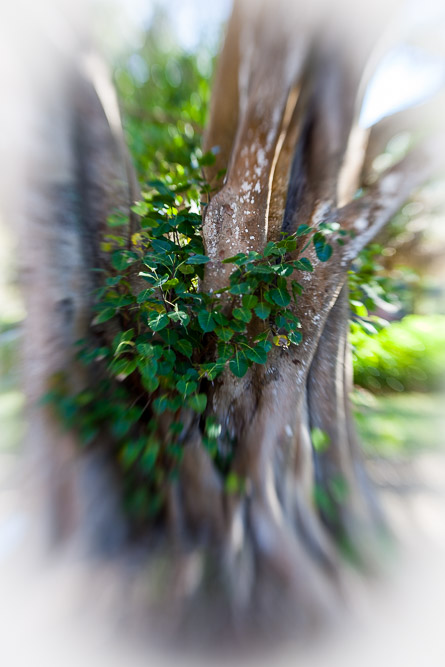
What excites you about the thing called an oak? Is if the curve of the trunk, the delicate shapes that make up the root system, the intricate filigree of branches, or perhaps a pattern of leaves in the tree. Instead of snapping a picture of a tree, slow down and really see what’s in front of you. Find out what excites you about the thing called an oak, and you have the basis for your photograph, or perhaps several photographs. When you can envision one or more images in your mind’s eye, you’ll know which camera settings to use, which lens to use, and which vantage point to shoot from to properly convey the feeling that compelled you to stop and take a picture. You’ll also know how to process the image in your favorite image-editing application to convey the mood to your viewers. See beyond the label and you’ll create better photographs.
Milking the Subject
After you take the picture you visualize in your mind’s eye, think of another photograph you can take of the same subject matter. Slow down and analyze the scene or subject matter and think of another way you can create an image. If you’ve photographed similar scenes, think outside of the box and photograph the scene or subject matter in a totally different way. Perhaps you can switch to a different lens, or photograph from a different vantage point.

The subject that caught my attention!

Same subject—Different vantage point.
If you’re photographing a landscape or architecture, walk around the scene and let your creative muse inspire you. One obvious choice is to look for a different vantage point. Shoot the scene from a snail’s eye view, or climb a tree or some steps for a bird’s eye view. Sometimes moving closer to your subject or moving left or right will give you a totally different picture. When you see something that looks good put the viewfinder to your eye. If it still looks good in the viewfinder, take a picture.
Tip:
Sometimes you can tell more than one story with a scene or a subject. Resist the temptation to tell them all in the same photograph. If you’ve got more than one story to tell, create more than one photograph. Use a different lens, or composition to tell a different story. When you try to tell too many stories with one image, more is less.
Finding the Extraordinary
You may feel that the subject matter is the person, place or thing that compelled you to stop and take a picture. It’s not. The image you create from what you consider ordinary requires feeling and emotion on your part. Your excitement and unique vision is what turns the ordinary into extraordinary photographs. Photography is all about story telling. You take the raw material before you, bring the viewfinder to your eye, compose what you see and create a photograph. But to extract the extraordinary from the ordinary first requires that you photograph something that has meaning to you, something that you love.
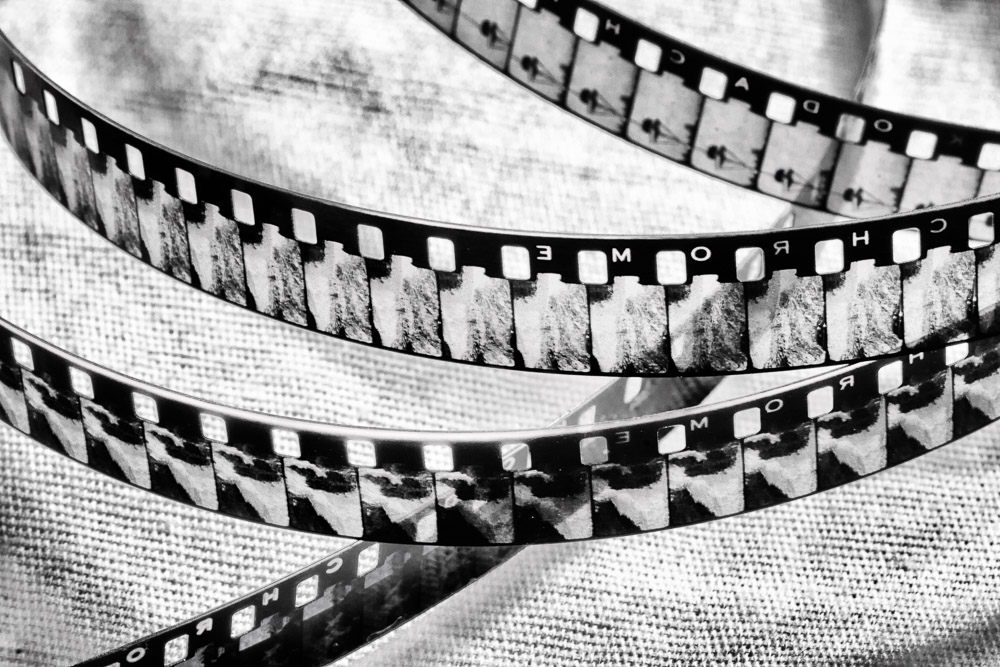
If you’re passionate about photography, your goal is to create images that have visual impact. When you create an image it’s the equivalent of saying, “This is important. Look at this.” You don’t have to travel halfway around the world to create images that have impact and tell a story. You can do so where you live.
“Creativity is piercing the mundane to find the marvelous.” — Bill Moyer”
Five Steps to get your Photography Mojo Back
When you hit a rut and all your images begin to look similar, you need to get out of your rut as soon as possible and get your MOJO back. Here are a couple of ways you can break out of your rut:
- Photograph something different. If you photograph landscapes all the time, try your hand at night photography or street shooting. Photographing something different gets you out of your comfort zone and forces you to try new things. Then when you return to your favorite type of photography, you’ll see things in a different way.
- Find like-minded photographers and feed off each other. Find photographers who shoot the same subject matter that you do and schedule photo shoots with them. Set some ground rules such as keeping the chatter to a minimum and just focusing on getting great shots. Notice how the other photographers tackle a scene. Which vantage point do they use? Which lens? Be a silent observer and then meet at a restaurant or coffee shop after the shoot to compare notes and photographs.
- Start a 365 project. Take at least one picture a day. This discipline forces you to be more creative and come up with new ways of photographing things you’ve photographed before.
- Create a list of new ideas. Sometimes an idea for a photograph pops into your mind when you least expect it. Carry a small notebook with you and jot these ideas down. When you’re in a creative rut, open your little “black book of ideas”, choose one and start shooting.
- Do things other than photography. New York photographer and instructor Jay Maisel says, “To take more interesting photographs, be a more interesting person.”
 “Notebook. No photographer should be without one!” Ansel Adams”
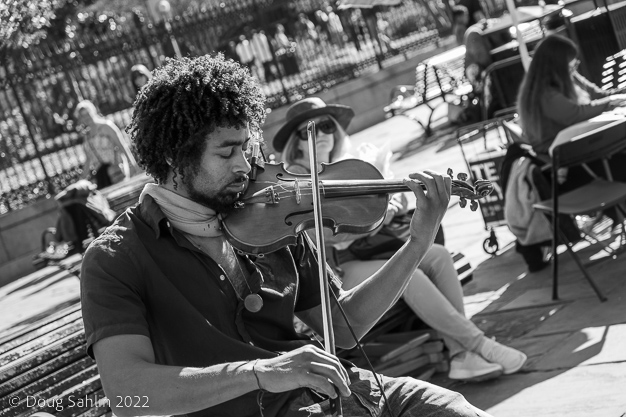
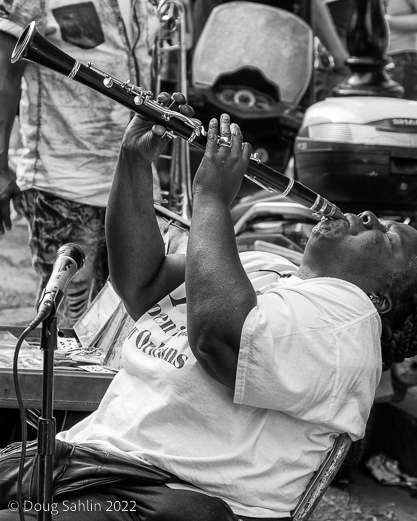
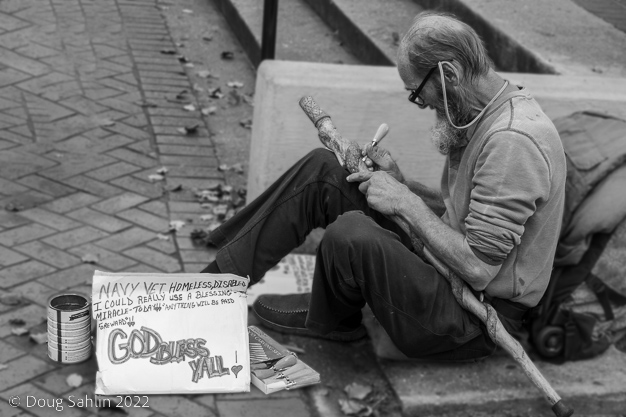
Street Life
Lensbaby Video
Lensbaby is also a great tool for video. The following video of Selby Gardens in Sarasota, Florida was created using the Lensbaby Soft Focus optic.
Koi Pond from Doug Sahlin on Vimeo.
Recent Comments