
One of the peculiar things about photography is that the better you get at it, the less you need extraordinary places. When we’re starting out, it’s easy to believe that good photographs are somewhere else. They’re in Venice. Paris. India. Key West. They’re at the top of a mountain at sunrise or on some windswept beach at sunset. Surely, if we could just get ourselves in front of something spectacular, the photographs would follow. Sometimes they do.
But after you’ve been carrying a camera for a while, something changes. You begin noticing the things you used to walk past. A weathered door. Light reflecting from a shop window. An interesting face. A rusty piece of machinery. A shadow falling across a wall. None of these announces itself as a photograph.
That’s part of the problem—and part of the fun.
I’ve come to think that photography isn’t primarily about finding interesting subjects. It’s about becoming interested in what you find. There’s a difference. The camera gives us an excuse to stop. To look twice. To wonder what would happen if we moved three feet to the left. Or crouched down. Or waited for someone to walk into the frame. Suddenly, something that had been invisible becomes a photograph.
Learning to See
Photographers talk endlessly about cameras. Megapixels. Lenses. Dynamic range. Autofocus. Film simulations. RAW files. I enjoy that stuff too. But eventually the buttons and dials have to disappear.
You want to reach the point where you’re no longer thinking very much about operating the camera. You’re thinking about what’s happening in front of it. Where is the light? What caught my attention? What doesn’t belong in the frame? What happens if I wait?
And perhaps the most important question: What am I seeing that someone else might walk right past? That’s when photography gets interesting.

There Doesn’t Have to Be a Destination
This is one reason I’ve grown fond of simply going for a walk with a camera. There doesn’t have to be a famous destination waiting at the other end. In fact, sometimes having a destination works against you. You’re so intent on getting somewhere that you don’t notice what’s happening along the way.
A photographic walk can be different. You wander. You stop. You double back. You photograph something ridiculous simply because the light on it is wonderful. Most of those photographs won’t be masterpieces. That’s okay.
The point isn’t to come home with a memory card full of masterpieces. The point is to keep looking. The next time you go somewhere with a camera, don’t immediately look for a photograph. Just look.
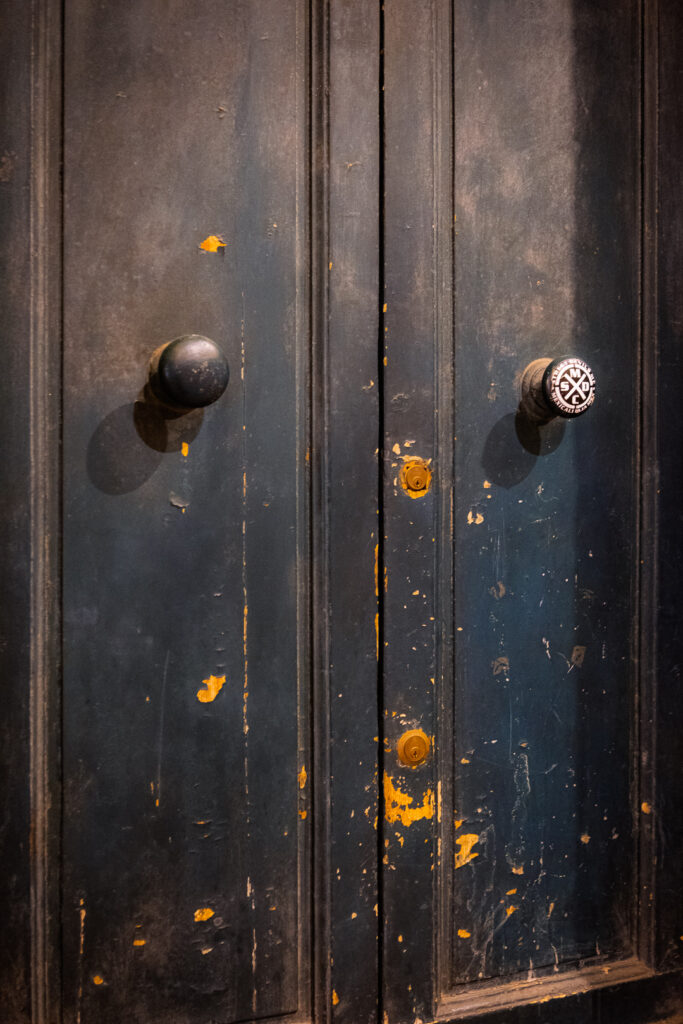
Pay attention to the light. Watch the people. Notice the reflections, textures, colors, gestures and little bits of visual chaos around you. Eventually something will make you stop. And when it does, raise the camera. You may have just found one of the stories everyone else walked past.
Recent Comments