
Every photographer eventually encounters a frustrating reality. Our technical skills improve. We become faster in Lightroom. We understand exposure instinctively. We own better cameras than we dreamed of twenty years ago. Yet when we compare our newest work to photographs we made five or even ten years earlier, something uncomfortable becomes apparent. Many of us are still making the same pictures. The locations may be different. The equipment is certainly better. But our vision hasn’t changed.
Technical mastery is rewarding because progress is measurable. We learn new editing techniques, improve our workflow, and sharpen our understanding of composition. But technical improvement isn’t the same as creative evolution. Creative growth happens when we begin seeing the world differently—not simply when we become more skilled at recording it. Photographer Joel Meyerowitz has often spoken about the importance of continually changing the way he sees the world. The camera records what stands before it. The photographer decides what deserves attention. One is mechanical. The other is deeply personal.
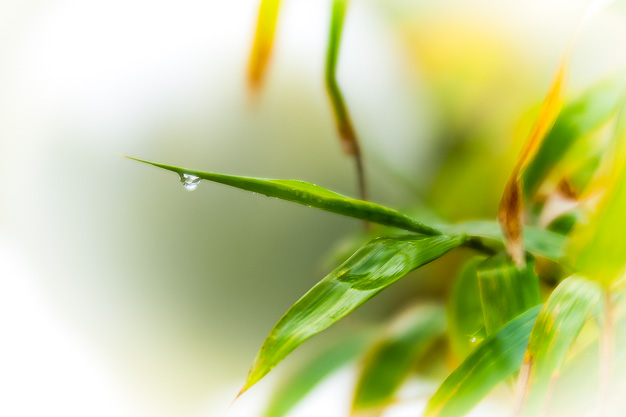 I’ve come to believe photography is one of the most introspective art forms. Every photograph reveals what catches our attention, what we value, what we ignore, and what moves us emotionally. If your photography feels stale, resist the temptation to buy something new. Instead, challenge the way you look at the familiar. Spend an hour in a place you’ve photographed dozens of times. Work with one lens. Slow down. Notice details you’ve walked past for years. Ask yourself:
- What am I missing?
- Why does this scene matter?
- What story is waiting here?
Photography isn’t simply about making better images. It’s about becoming a more observant person. In the end, every meaningful photograph begins long before we press the shutter. It begins with attention. And learning to pay attention may be the most valuable skill any photographer can develop.
Recent Comments